
CNC Machining in Faucet Manufacturing
CNC Machining in Faucet Manufacturing: Precision Engineering Behind High-Quality Faucets
Introduction
When buyers evaluate faucet suppliers, they often focus on appearance, material quality, certifications, and pricing. However, one of the most critical factors that determines a faucet's durability, performance, and consistency is often hidden behind the finished surface: CNC machining.
Computer Numerical Control (CNC) machining has become an essential part of modern faucet manufacturing. It ensures precise dimensions, smooth assembly, leak-free performance, and consistent quality across large production runs.
For wholesalers, importers, and construction project contractors, understanding how CNC machining impacts faucet quality can help identify reliable suppliers and reduce costly product failures after installation.
In this article, we will explore how CNC machining is used in faucet manufacturing, its advantages, and why it matters for large-scale procurement.
What Is CNC Machining?
CNC (Computer Numerical Control) machining is a manufacturing process that uses computer-programmed machines to remove material from a workpiece and create highly accurate components.
Unlike traditional manual machining, CNC machines automatically control cutting tools according to digital designs, allowing manufacturers to produce identical parts with extremely tight tolerances.
In faucet production, CNC machining is commonly used for:
Brass faucet bodies
Faucet spout
Valve housing components
Cartridge seats
Threaded connections
Shower mixer bodies
Angle valves
Plumbing fittings
The technology allows manufacturers to achieve accuracy that is nearly impossible through manual operations alone.
Why Precision Matters in Faucet Manufacturing
A faucet consists of multiple components that must fit together perfectly.
Even a small dimensional error can result in:
Water leakage
Poor cartridge performance
Difficult installation
Reduced lifespan
Increased warranty claims
For example, the ceramic cartridge inside a faucet requires precise alignment with the valve chamber.
If the cartridge seat is not machined accurately:
The handle may feel loose.
Water flow may become inconsistent.
Internal leakage may occur.
The faucet's lifespan may be significantly reduced.
CNC machining eliminates these risks by ensuring every critical dimension meets exact specifications.
The CNC Machining Process for Faucets
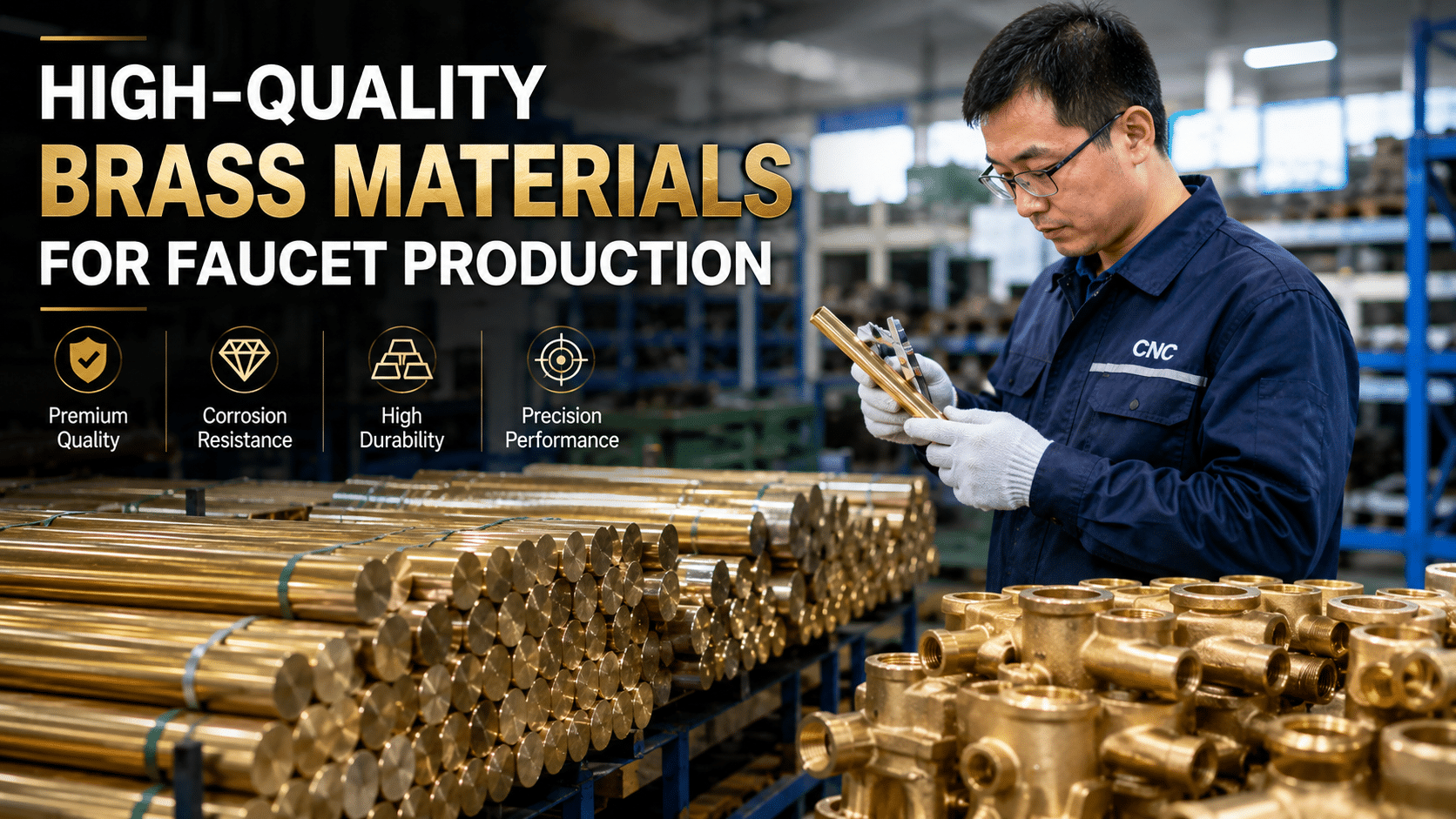
1. Raw Material Preparation
Most premium faucets begin with high-quality brass bars or forged brass bodies.
Common materials include:
HPB59-1 Brass
CW617N Brass
Lead-Free Brass
Stainless Steel 304
Stainless Steel 316
The raw material is inspected before entering production to ensure consistency in composition and mechanical properties.
2. CAD Design and Programming
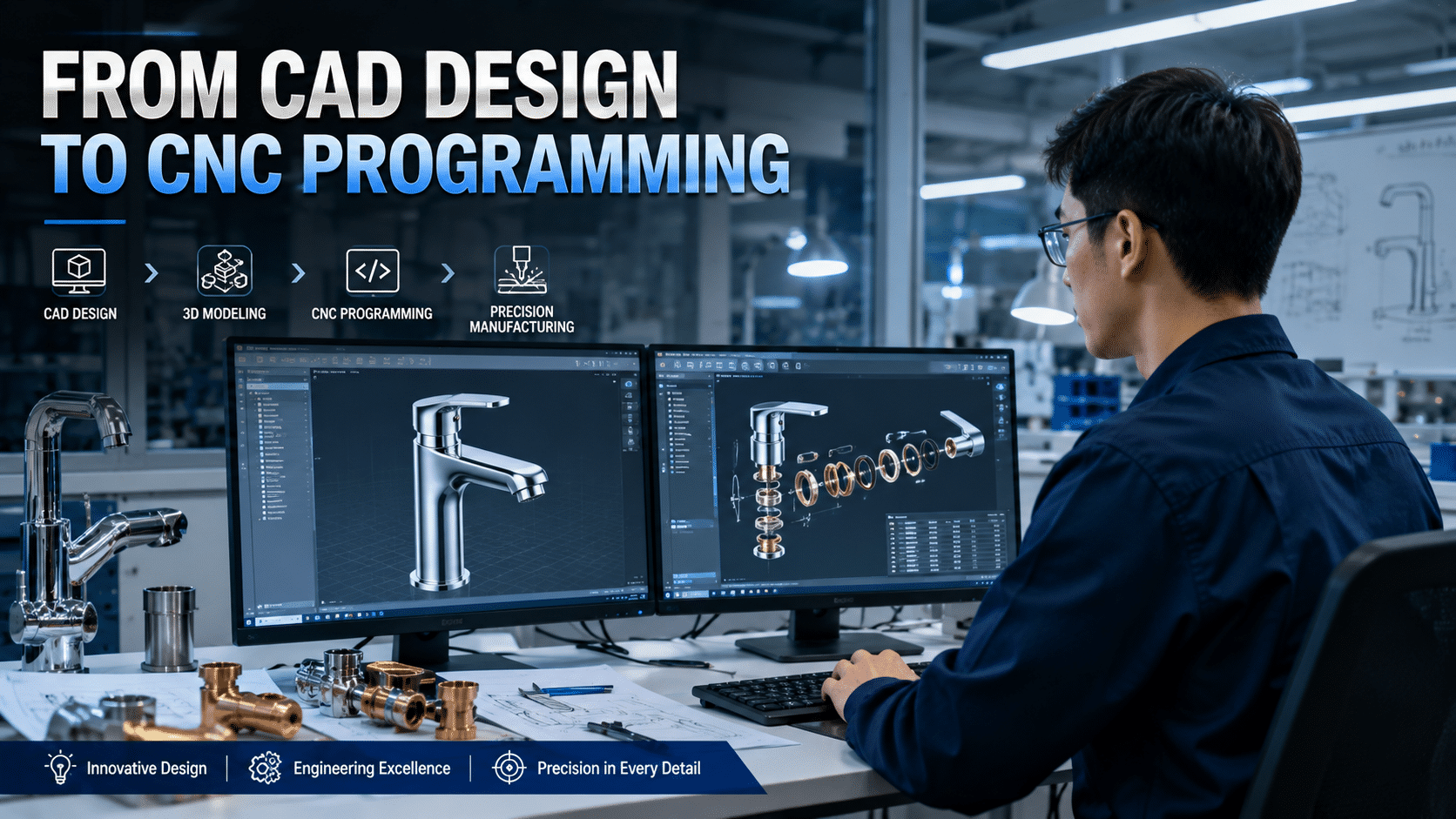
Engineers create a detailed 3D model using CAD software.
The design includes:
Internal water channels
Cartridge installation area
Thread dimensions
Mounting points
Surface contours
The CAD model is then converted into CNC machine instructions through CAM software.
These instructions guide the machine's movements with exceptional accuracy.
3. CNC Turning
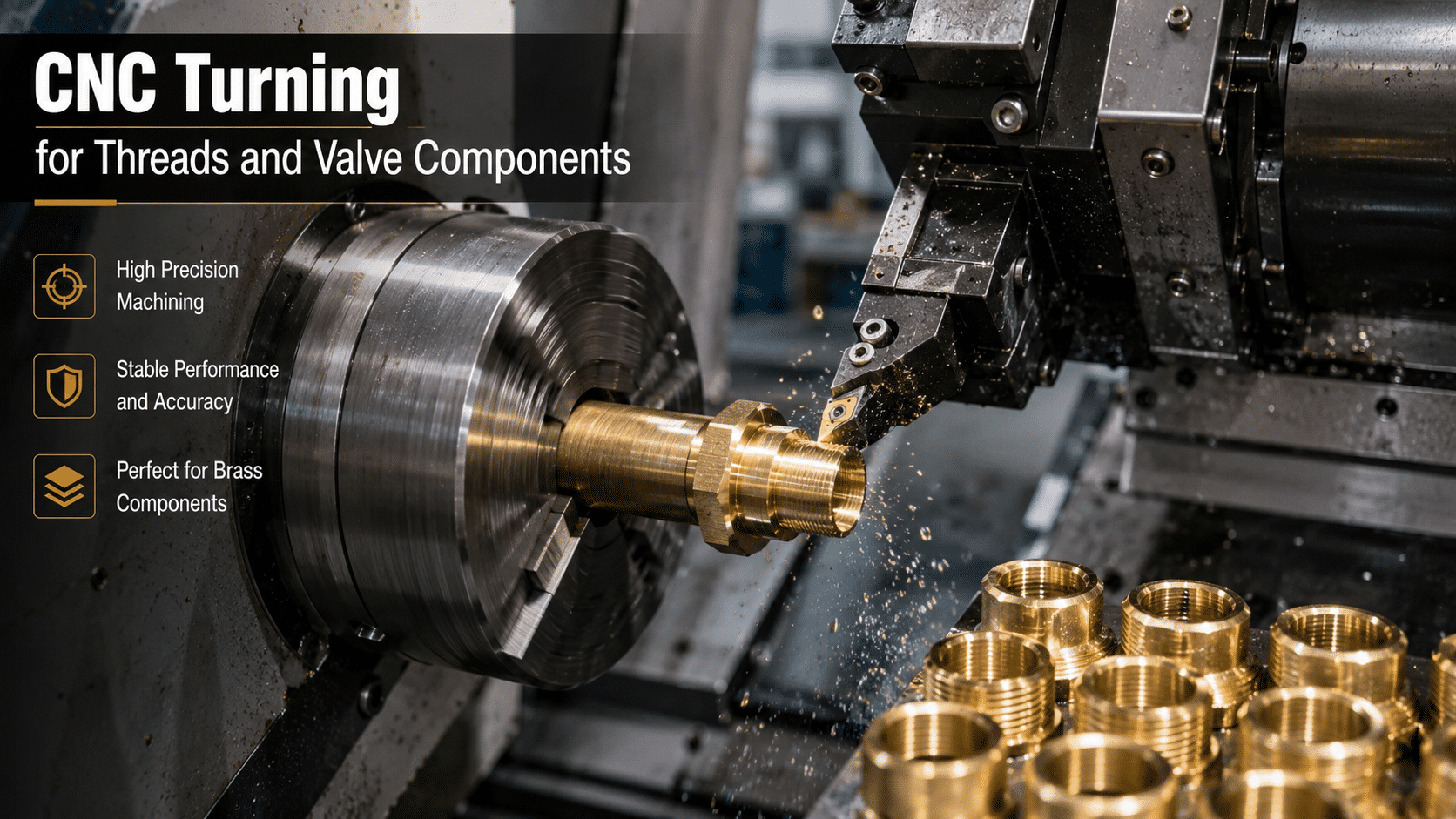
For round components such as valve stems, connectors, and threaded fittings, CNC lathes are used.
The machine rotates the brass workpiece while cutting tools remove material.
This process creates:
External threads
Internal threads
Precision diameters
Smooth cylindrical surfaces
The resulting components achieve tight dimensional tolerances and excellent surface finish.
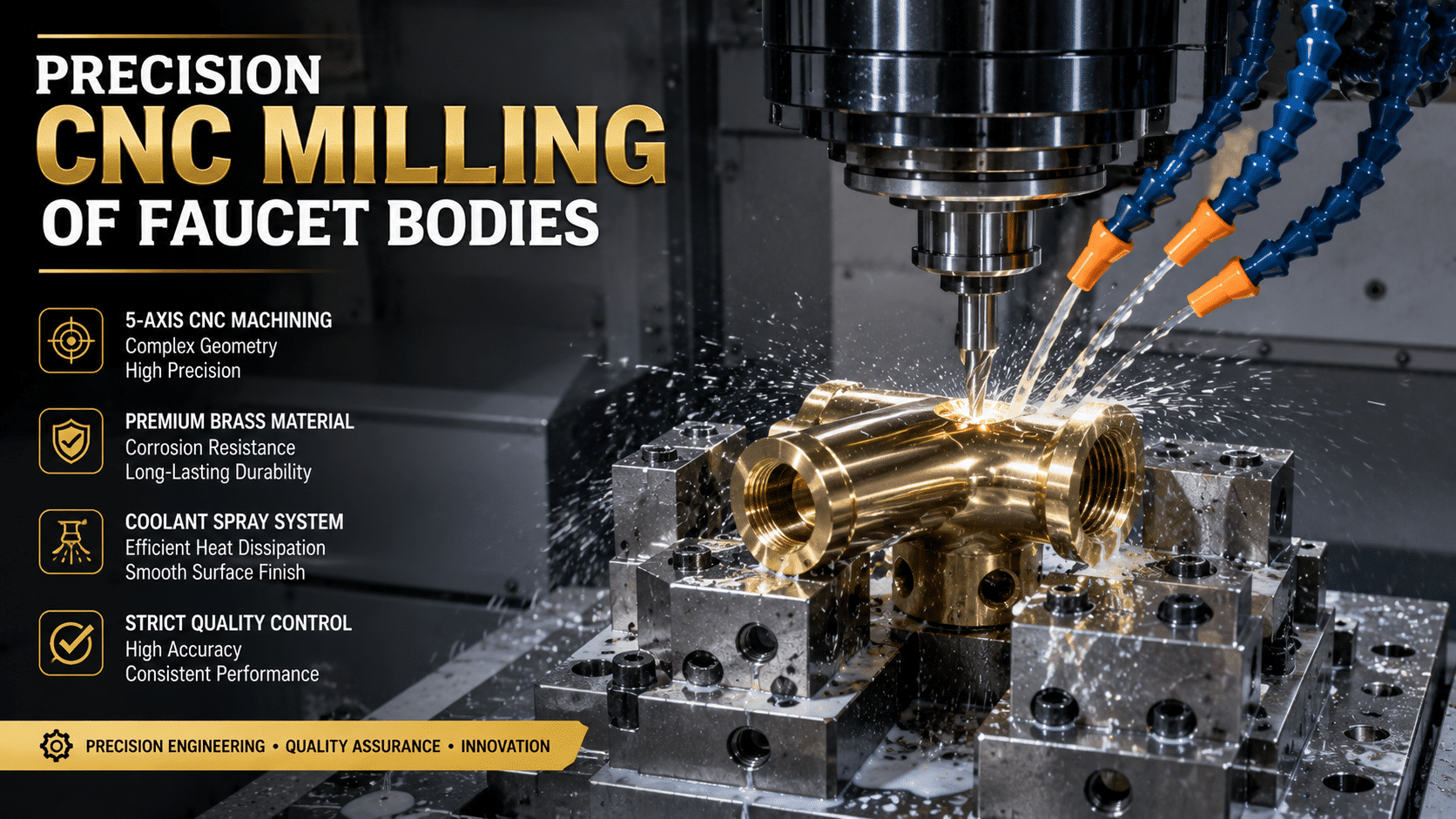
4. CNC Milling
Complex faucet bodies often require CNC milling.
Multi-axis CNC milling machines can machine:
Internal cavities
Water channels
Cartridge chambers
Decorative contours
Mounting surfaces
Modern 4-axis and 5-axis CNC machines allow multiple operations to be completed in a single setup.
This improves both accuracy and efficiency.
5. Drilling and Tapping
Many faucet components require threaded holes and precision passages.
CNC drilling creates:
Water inlet holes
Mounting holes
Fastener locations
CNC tapping then forms accurate threads for secure assembly.
Precise threading is critical for preventing leaks and ensuring compatibility with international plumbing standards.
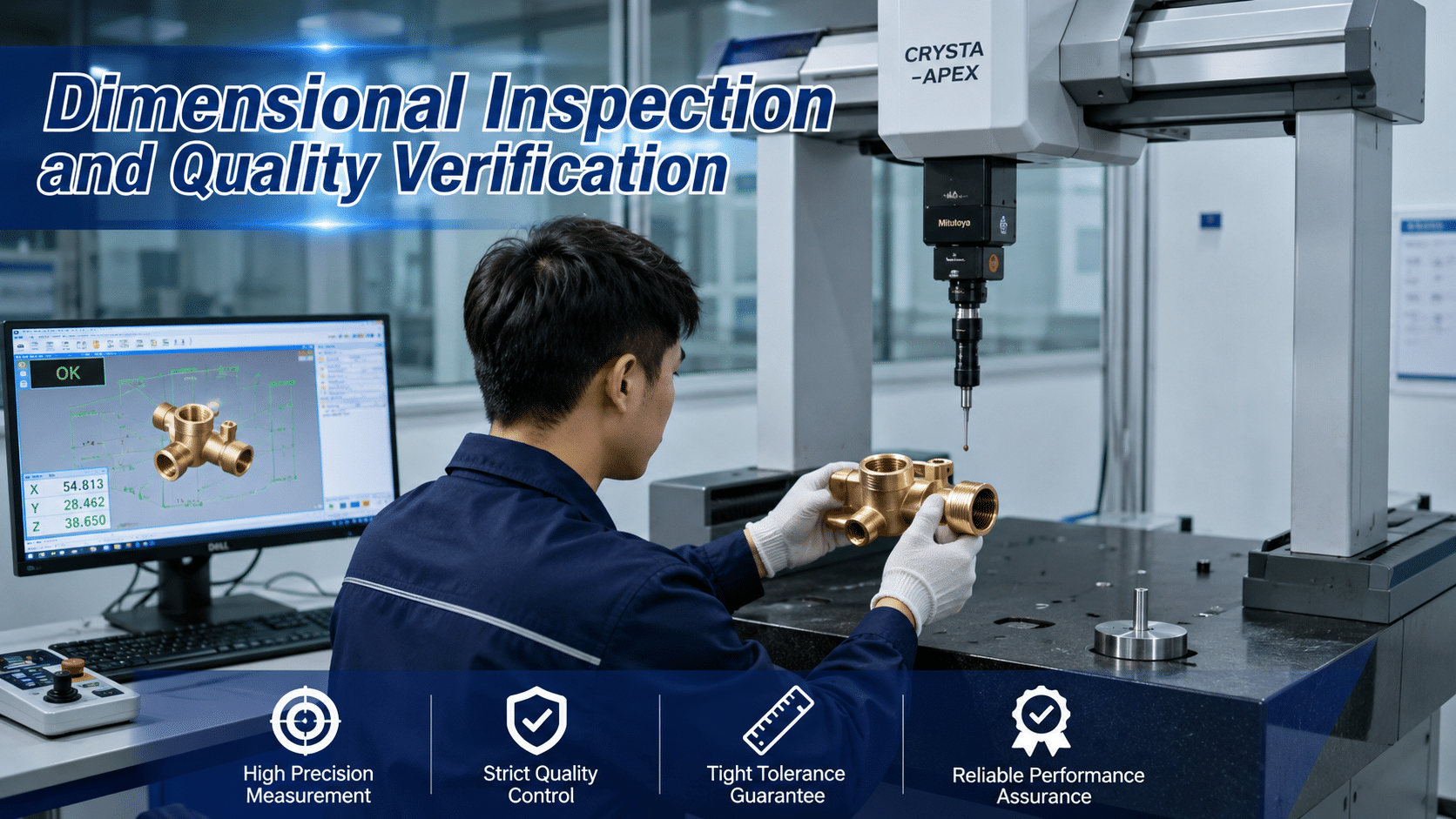
6. Quality Inspection
After machining, components undergo dimensional inspections.
Inspection equipment may include:
Coordinate Measuring Machines (CMM)
Digital Calipers
Thread Gauges
Surface Roughness Testers
Manufacturers compare actual measurements against engineering drawings to verify compliance.
Only qualified parts proceed to the next stage.
Advantages of CNC Machining in Faucet Production
Superior Precision
One of the greatest advantages of CNC machining is accuracy.
Typical CNC tolerances can reach:
±0.01 mm
±0.005 mm for critical features
This precision ensures perfect component fit and consistent product performance.
Consistent Quality
For importers and wholesalers, consistency is crucial.
A supplier may produce thousands of faucets per month.
Without CNC machining, variations between batches can increase significantly.
CNC technology ensures:
Identical dimension
Repeatable quality
Stable production standards
This consistency reduces customer complaints and after-sales issues.
Improved Durability
Accurately machined components reduce stress concentrations and assembly errors.
Benefits include:
Longer cartridge life
Better sealing performance
Reduced leakage risk
Enhanced structural strength
As a result, faucets maintain reliable performance for many years.
Better Surface Finishing Results
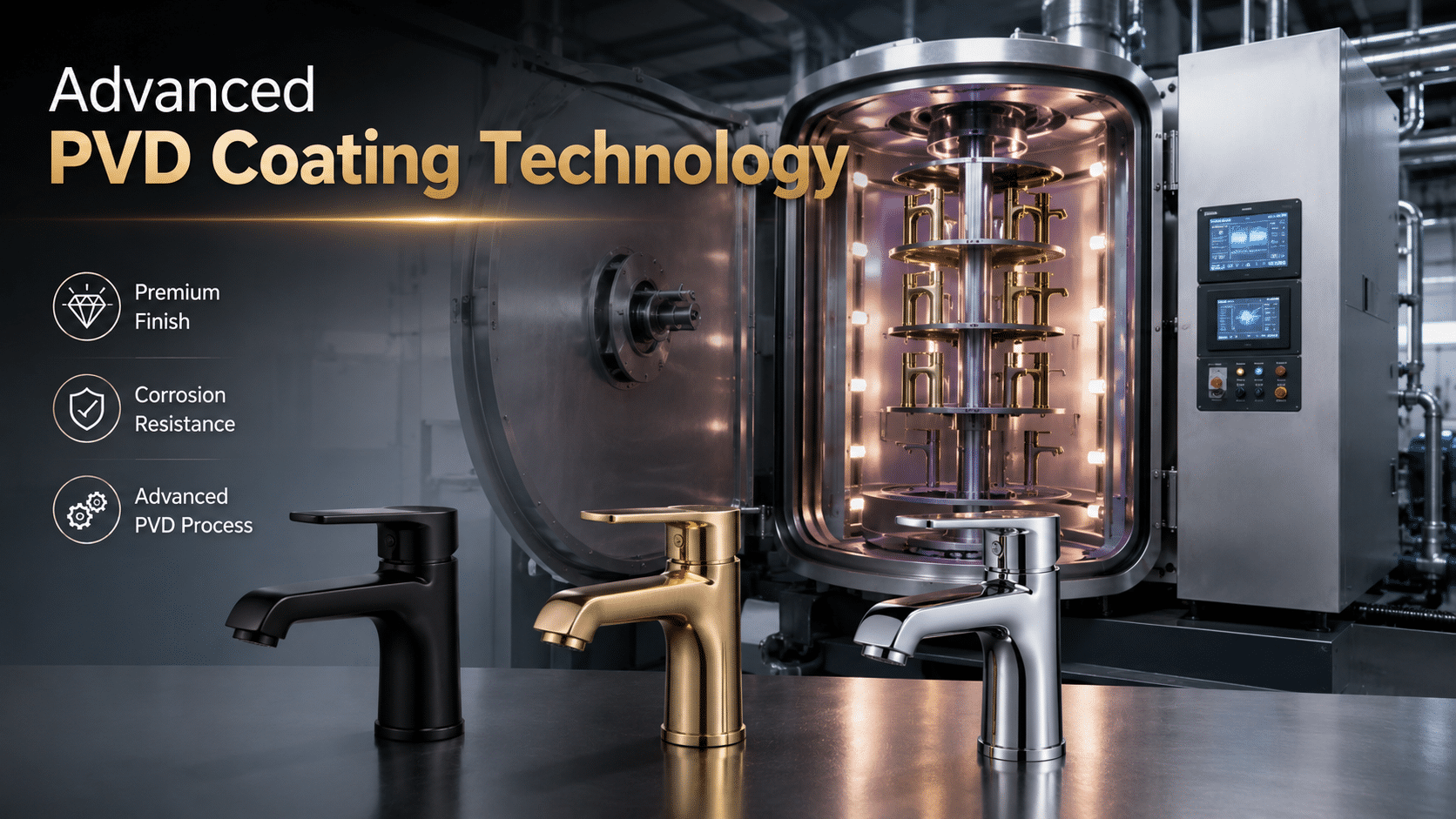
Electroplating and PVD coating require smooth surfaces.
CNC machining creates uniform surfaces that improve:
Chrome plating adhesion
PVD coating quality
Brushed finishes
Matte finishes
This contributes directly to the faucet's visual appeal and corrosion resistance.
Higher Production Efficiency
Modern CNC machining centers can operate continuously with minimal human intervention.
Benefits include:
Faster production cycles
Reduced labor costs
Increased output capacity
Better delivery reliability
For project orders and wholesale purchases, this ensures stable supply.
CNC Machining vs Traditional Machining
Feature | CNC Machining | Traditional Machining |
Accuracy | Very High | Moderate |
Consistency | Excellent | Variable |
Production Speed | Fast | Slower |
Labor Requirement | Lower | Higher |
Repeatability | Excellent | Limited |
Quality Control | Easier | More Difficult |
Complex Designs | Easy | Challenging |
For modern faucet manufacturing, CNC machining has become the industry standard because of its ability to deliver both quality and efficiency.
How CNC Machining Supports OEM and ODM Faucet Projects
OEM and ODM buyers often require customized faucet designs.
Examples include:
Private label faucets
Exclusive product lines
Hotel project faucets
Commercial washroom solutions
Regional market designs
CNC machining allows manufacturers to quickly produce customized components without sacrificing quality.
Advantages for OEM customers include:
Faster Development
Digital programming enables rapid prototype production.
New faucet models can move from design to sample stage much faster.
Flexible Customization
Manufacturers can easily modify:
Dimensions
Thread standards
Mounting structures
Waterway designs
Branding details
Stable Mass Production
Once machining programs are validated, the same specifications can be replicated across large production volumes.
Quality Control After CNC Machining
Leading faucet factories implement multiple inspection stages.
Dimensional Inspection
Verifies all critical dimensions.
Leak Testing
Finished faucets undergo water pressure testing.
Many manufacturers perform:
100% water pressure testing
Leakage testing
Functional testing

Salt Spray Testing
Tests corrosion resistance of plated surfaces.
Lifecycle Testing
Simulates years of usage by repeatedly operating the faucet handle.
High-quality faucets may achieve:
200,000 to 500,000 operation cycles
These tests ensure products meet international market requirements.
What Buyers Should Look for in a CNC Faucet Manufacturer
When evaluating faucet suppliers, consider the following:
Modern CNC Equipment
Look for factories with:
Multi-axis CNC machining centers
Automated production lines
Advanced inspection equipment
Strong Engineering Team
A capable engineering team can optimize designs for production efficiency and reliability.
Quality Certifications
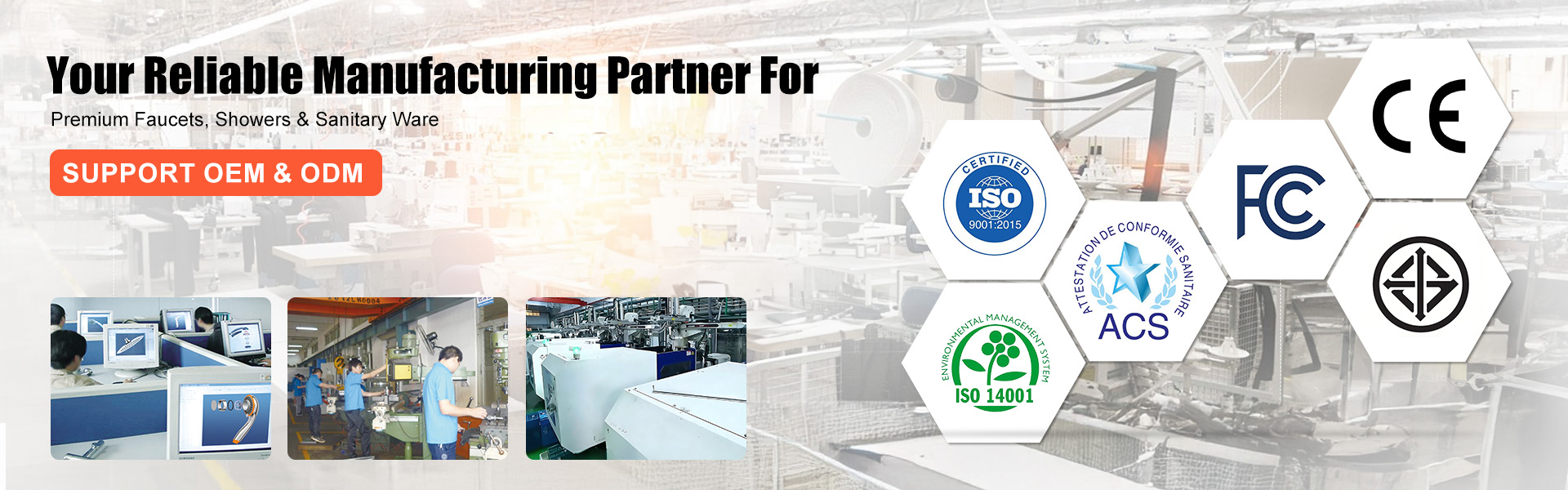
Reliable manufacturers often hold certifications such as:
ISO 9001
CE
ACS
Watermark
TISI
OEM and ODM Experience
Experienced suppliers understand international market requirements and project specifications.
In-House Quality Control
Factories should conduct inspections throughout production rather than relying solely on final checks.
The Future of CNC Machining in Faucet Manufacturing
As the sanitary ware industry evolves, CNC machining continues to advance.
Emerging technologies include:
Smart Manufacturing
Connected machines collect real-time production data and improve efficiency.
Automation
Robotic loading and unloading systems reduce labor dependence.
AI-Assisted Quality Control
Artificial intelligence helps detect machining defects earlier.
High-Speed Machining
New cutting technologies shorten production cycles while maintaining accuracy.
These innovations enable manufacturers to produce higher-quality faucets at competitive costs.
Conclusion
CNC machining is one of the most important technologies behind modern faucet manufacturing. It ensures the precision, consistency, durability, and reliability that wholesalers, importers, and construction contractors demand.
From machining brass faucet bodies to producing leak-free cartridge chambers and perfectly threaded connections, CNC technology plays a critical role in every stage of production.
When selecting a faucet supplier, buyers should look beyond surface appearance and evaluate the factory's machining capabilities, quality control systems, and engineering expertise. A manufacturer equipped with advanced CNC technology is better positioned to deliver consistent quality, reliable performance, and long-term value for large-scale projects and distribution markets.
For businesses sourcing faucets for wholesale distribution, commercial developments, hotels, apartments, or OEM brands, partnering with a CNC-equipped manufacturer can significantly reduce risk and ensure customer satisfaction.
Looking for a Professional OEM Faucet Manufacturer?
We specialize in manufacturing:
· Kitchen faucets
· Bathroom faucets
· Shower systems
· Thermostatic showers
✔ Exported to 40+ countries
✔ OEM & ODM supported
✔ Minimum Order: 50 Sets
Contact us today to receive our latest product catalog and quotation.