
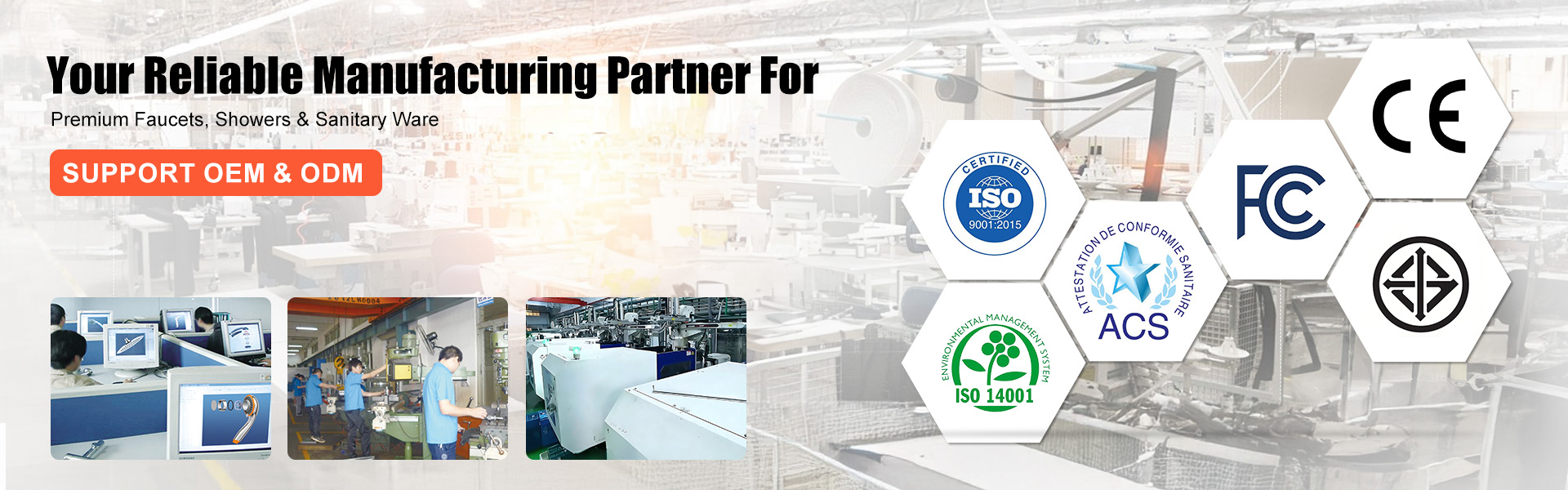
How to Import Faucets from China: Complete Guide for Importers and Distributors
How to Import Faucets from China: Complete Guide for Importers
China is the world’s leading manufacturer of kitchen and bathroom faucets, shower systems, and sanitary ware products. For importers, distributors, and construction suppliers, sourcing faucets from China can offer competitive prices, large production capacity, and flexible OEM services.
However, importing faucets requires careful planning and supplier verification. A small mistake can lead to quality issues, shipment delays, or financial losses. This guide walks you through the complete process of importing faucets from China.
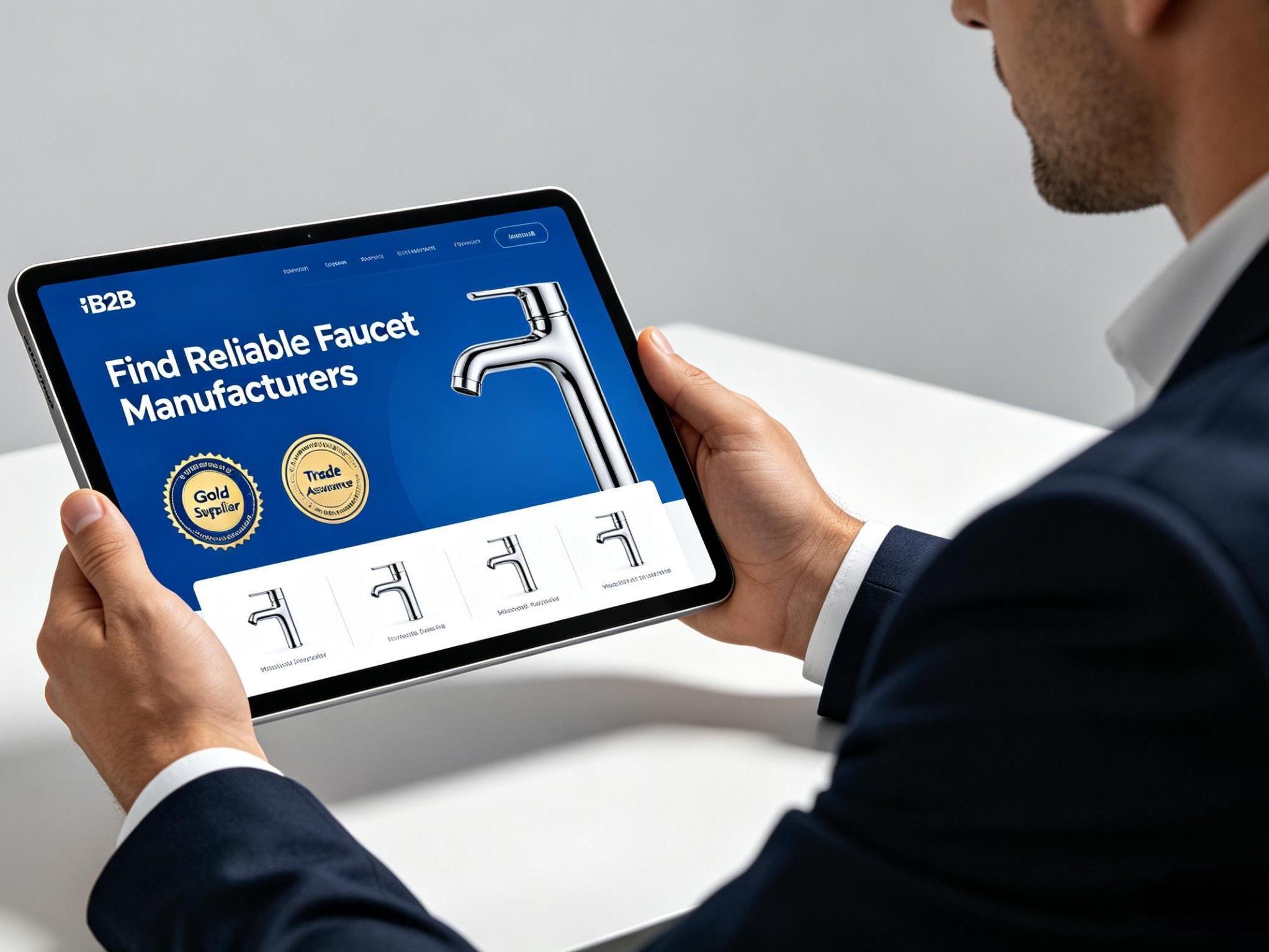
1. Find Reliable Faucet Manufacturers
The first step is identifying trustworthy suppliers. A professional faucet manufacturer should have:
· Complete production lines and modern machinery
· Experienced engineers and QC team
· Export experience to multiple countries
· OEM and ODM capabilities
How to find suppliers:
· Google search – use B2B and product-specific keywords
· Industry trade shows – Canton Fair, ISH China, local sanitary expos
· B2B directories – Alibaba, Made-in-China, Global Sources
· Referrals – importers often share verified suppliers
Tip: Always check the factory’s website, certifications, and export history. Factories with 10+ years of experience generally have stable quality and production.
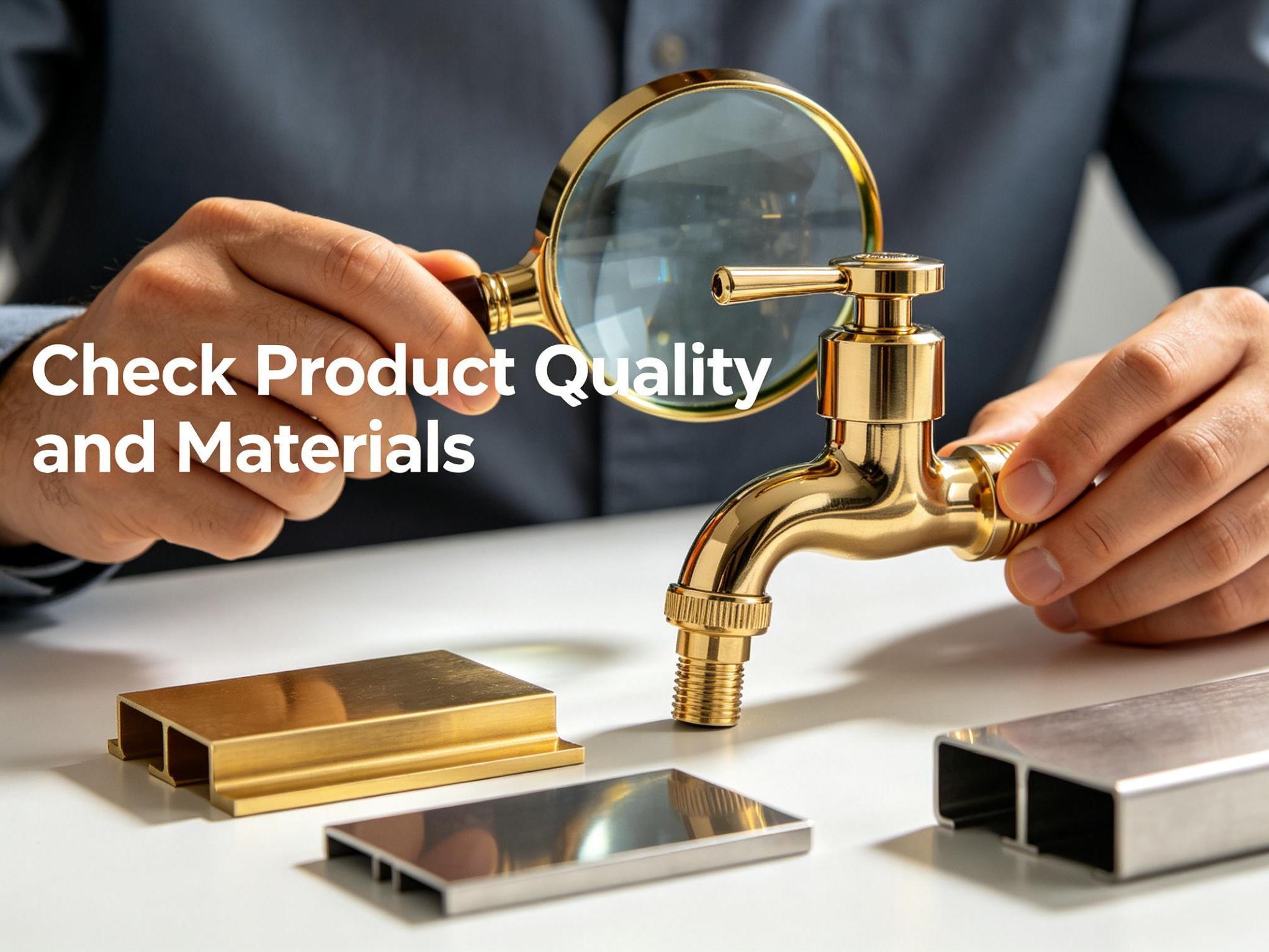
2. Check Product Quality and Materials
The material of a faucet directly affects durability, corrosion resistance, and safety. The most common materials are:
Brass Faucets
· Strong and durable
· Good corrosion resistance
· Widely used in premium faucets
SUS304 Stainless Steel Faucets
· Lead-free, environmentally friendly
· Corrosion-resistant
· Increasingly popular in modern kitchens and bathrooms
Importers should request:
· Material specifications and certifications
· Product photos and videos
· Sample testing for corrosion and durability
High-quality materials reduce returns, complaints, and warranty issues.
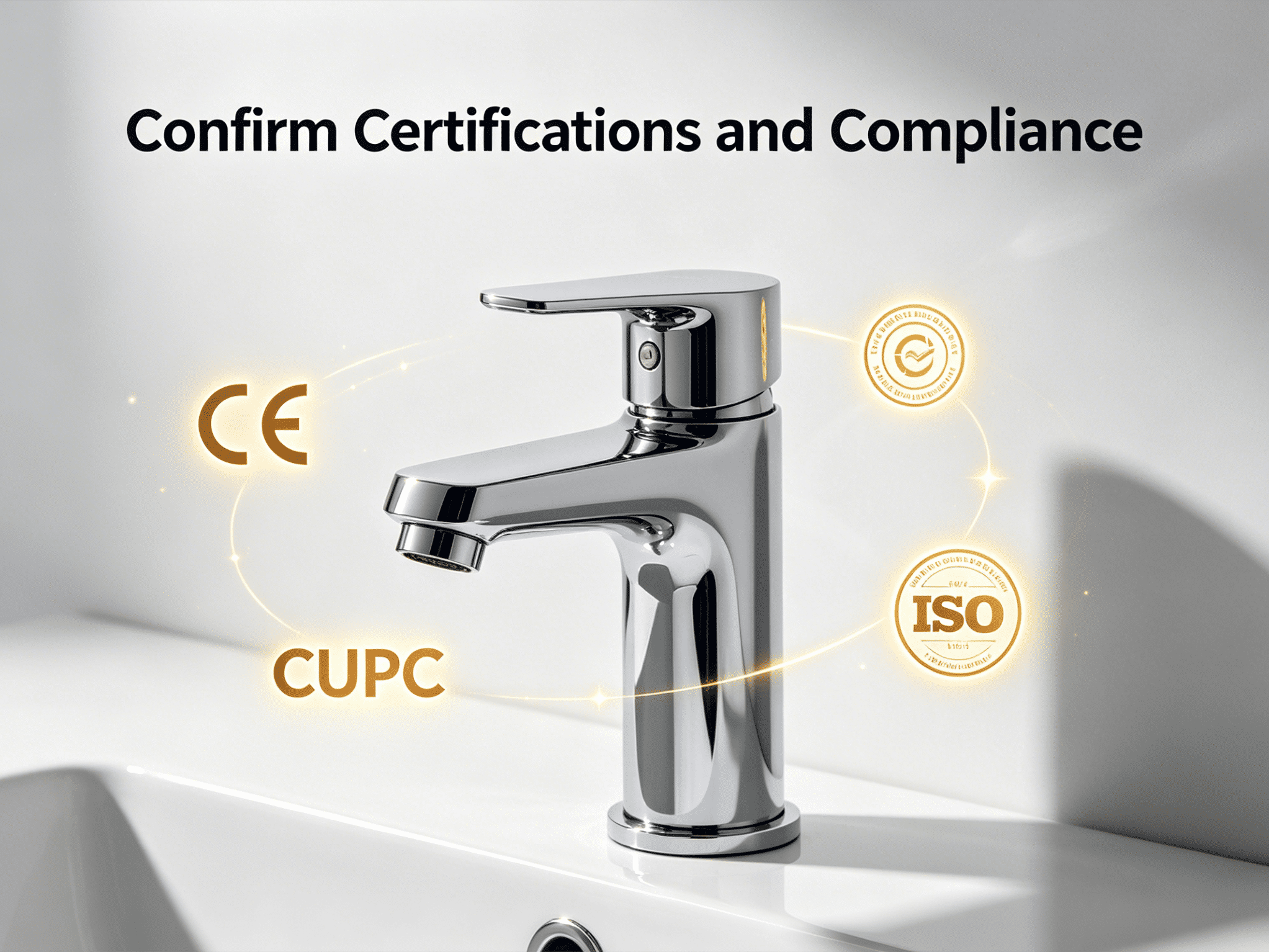
3. Confirm Certifications and Compliance
Different markets require different product certifications. Check that the supplier’s faucets meet international and local standards.
Common certifications:
· CE – European Union
· ACS – France drinking water standard
· TISI – Thailand plumbing certification
· ISO9001 – Quality management system
These certifications increase trust and simplify market entry, especially for retail chains and construction projects.
4. Discuss MOQ and Pricing
Most factories require a minimum order quantity (MOQ) to produce faucets efficiently. Typical MOQs range from 50–200 sets per model, depending on customization.
Pricing factors include:
· Material type (brass vs stainless steel)
· Surface finish (chrome, brushed nickel, matte black)
· Cartridge quality (ceramic disc, brass valve, etc.)
· Packaging and branding requirements
Tip: Negotiate larger orders or long-term contracts for better pricing.

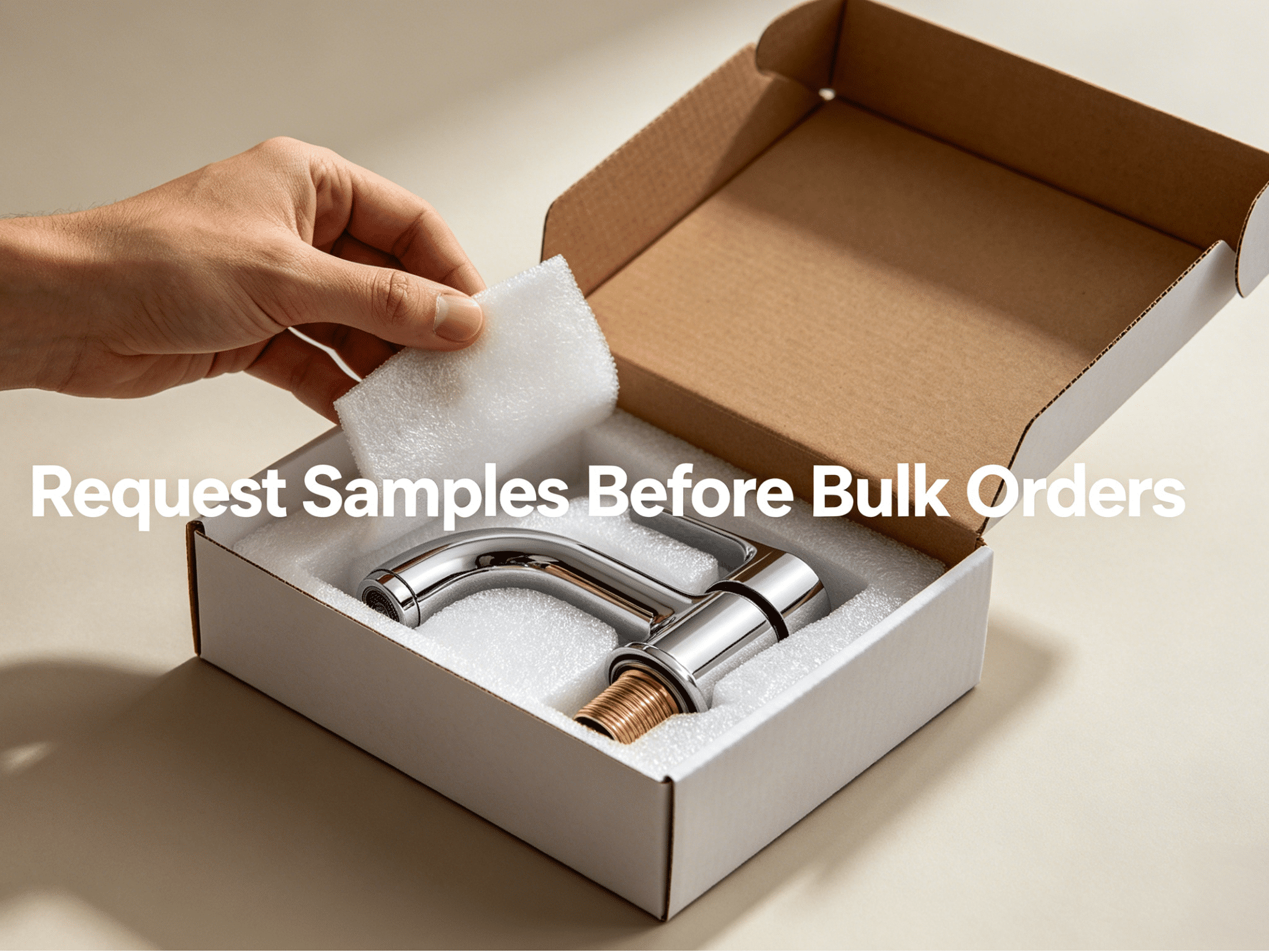
5. Request Samples Before Bulk Orders
Before placing a large order, always request product samples. Samples allow you to:
· Check product quality and finish
· Test functionality (water flow, temperature control)
· Verify packaging quality for shipping
Testing samples can prevent costly bulk-order mistakes.
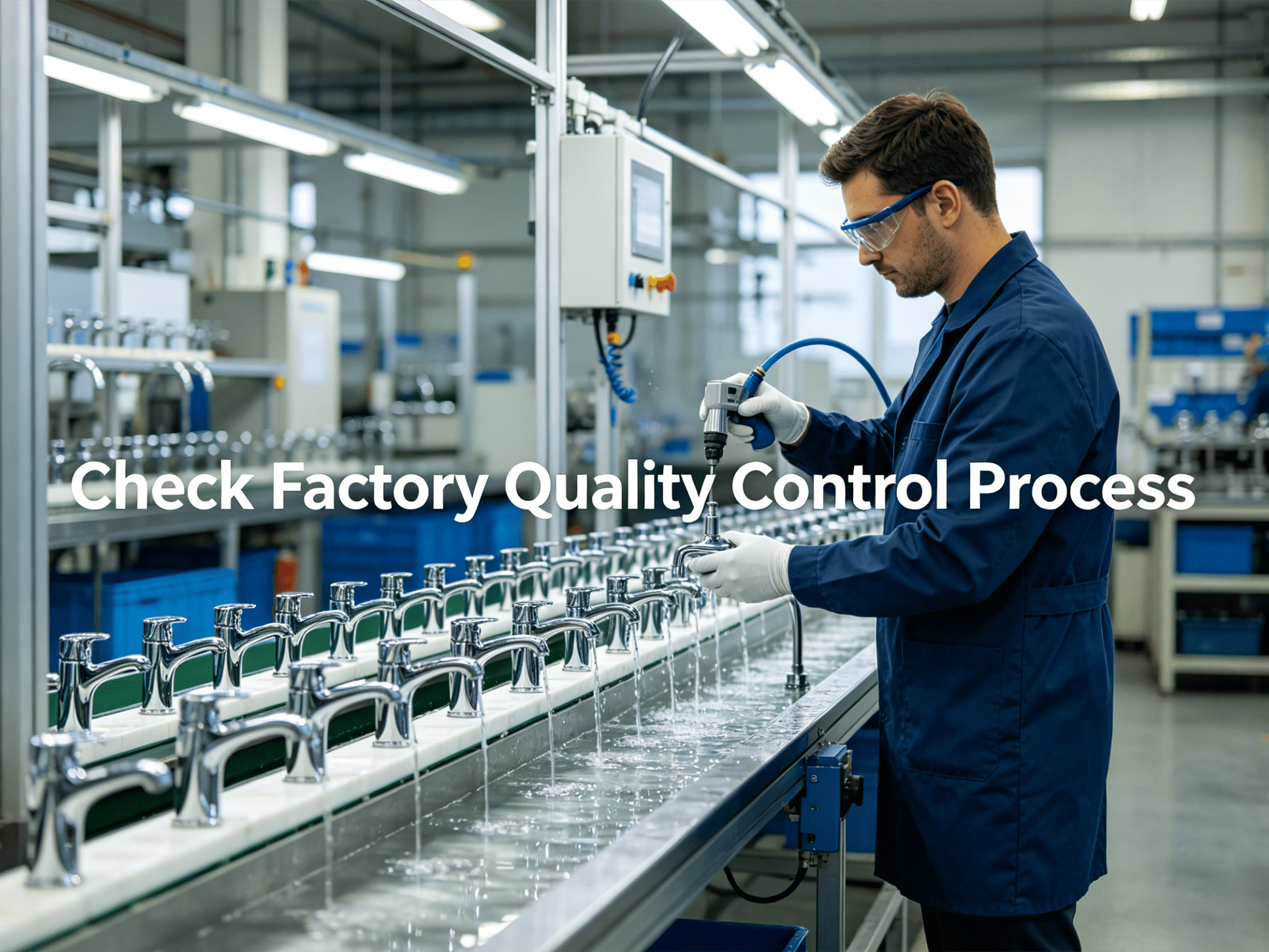
6. Check Factory Quality Control Process
Reliable manufacturers have strict quality control procedures. Key tests include:
· Water pressure testing – 100% tested before shipment
· Leakage tests – ensure no dripping after months of use
· Salt spray tests – check corrosion resistance
· Cartridge life cycle tests – usually 500,000+ cycles
Factories with a full QC process reduce defects and improve customer satisfaction.
7. Arrange Shipping and Logistics
Once the order is confirmed, plan transportation. Options include:
Sea Freight
· Economical for bulk orders
· Longer delivery time
Air Freight
· Faster delivery
· Higher shipping cost
Importers should also confirm:
· Packaging protection (cartons, pallets)
· Loading capacity
· Lead time for production and shipping
Working with experienced freight forwarders or logistics agents helps avoid delays and damage.

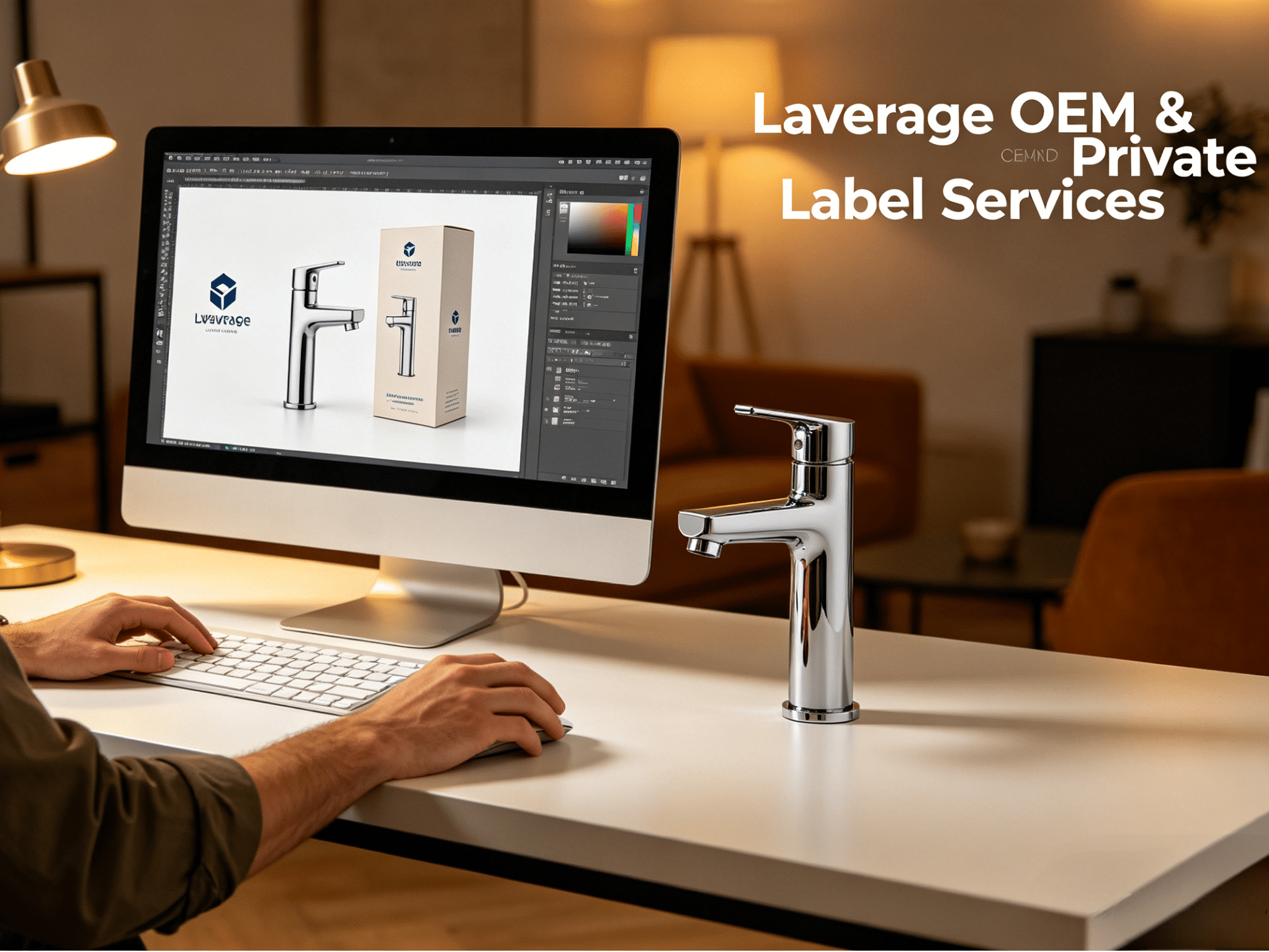
8. Leverage OEM & Private Label Services
Many importers want to sell products under their own brand. Professional Chinese faucet manufacturers usually provide:
· Custom logo engraving
· Brand packaging design
· Product color customization
· New product development
OEM support helps differentiate your brand and increases profit margins.
FAQ – Importing Faucets from China
Q1: What is the typical MOQ for faucets in China?
A: Usually between 50–200 sets per model, depending on customization.
Q2: How long does production take?
A: Standard lead time is 25–35 days, depending on quantity and complexity.
Q3: Are samples available before bulk orders?
A: Yes, factories can provide samples for testing quality and functionality.
Q4: What certifications are needed?
A: CE, ACS, TISI, ISO9001 are common; verify according to your target market.
Q5: Can factories support OEM services?
A: Most professional factories provide OEM and private label options.
Conclusion
Importing faucets from China can offer competitive prices, large production capacity, and flexible OEM services.
To succeed, importers must:
1. Find reliable manufacturers
2. Check product quality and materials
3. Confirm certifications
4. Negotiate MOQ and pricing
5. Test samples before bulk orders
6. Verify quality control procedures
7. Plan logistics carefully
8. Leverage OEM services
Following these steps helps reduce risks, ensure quality, and grow your business in the global faucet market.
Looking for a reliable faucet manufacturer in China?
We specialize in:
· Kitchen faucets
· Bathroom faucets
· Shower systems
· Thermostatic showers
✔ Exported to 40+ countries
✔ OEM & ODM supported
✔ Minimum Order: 50 Sets
Contact us today for our latest product catalog and quotation.